The membrane checked while it is still a membrane and not a floor.
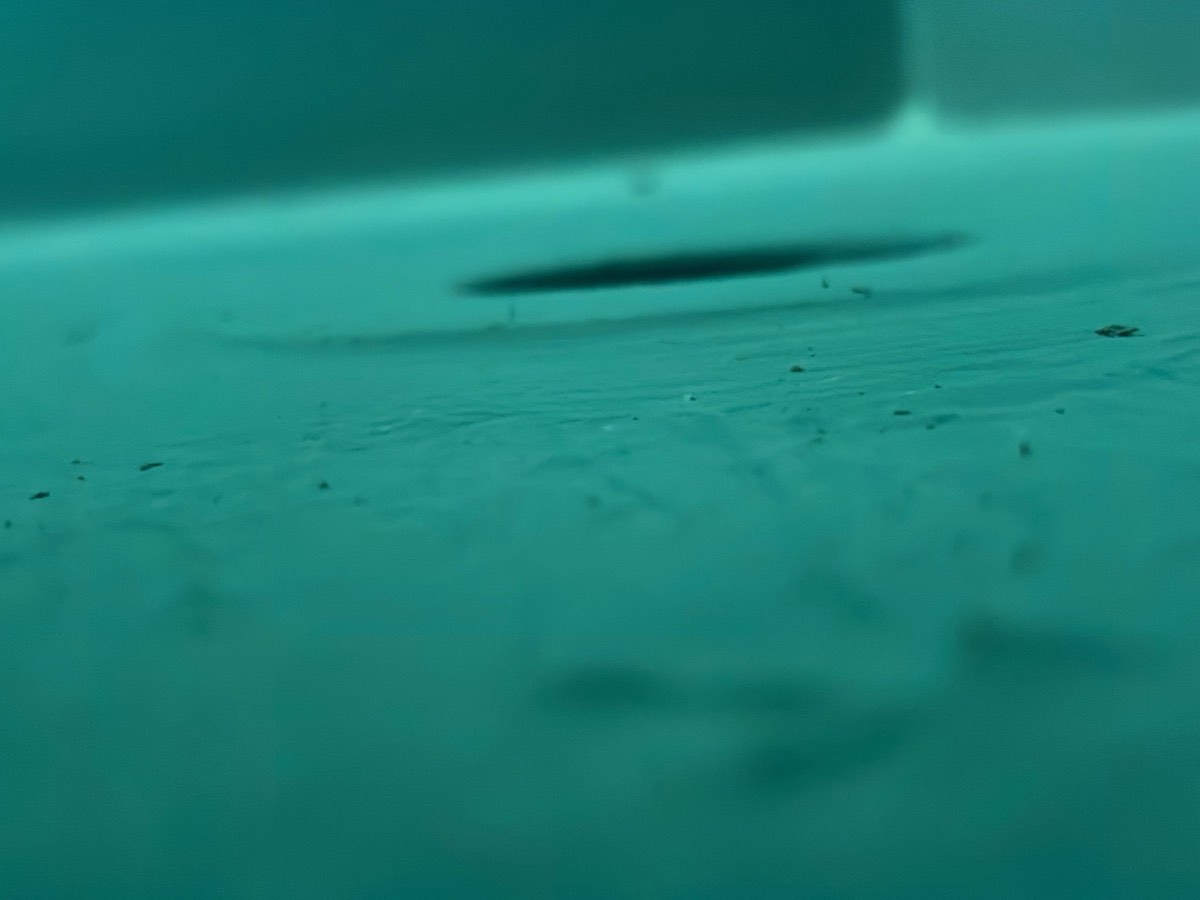
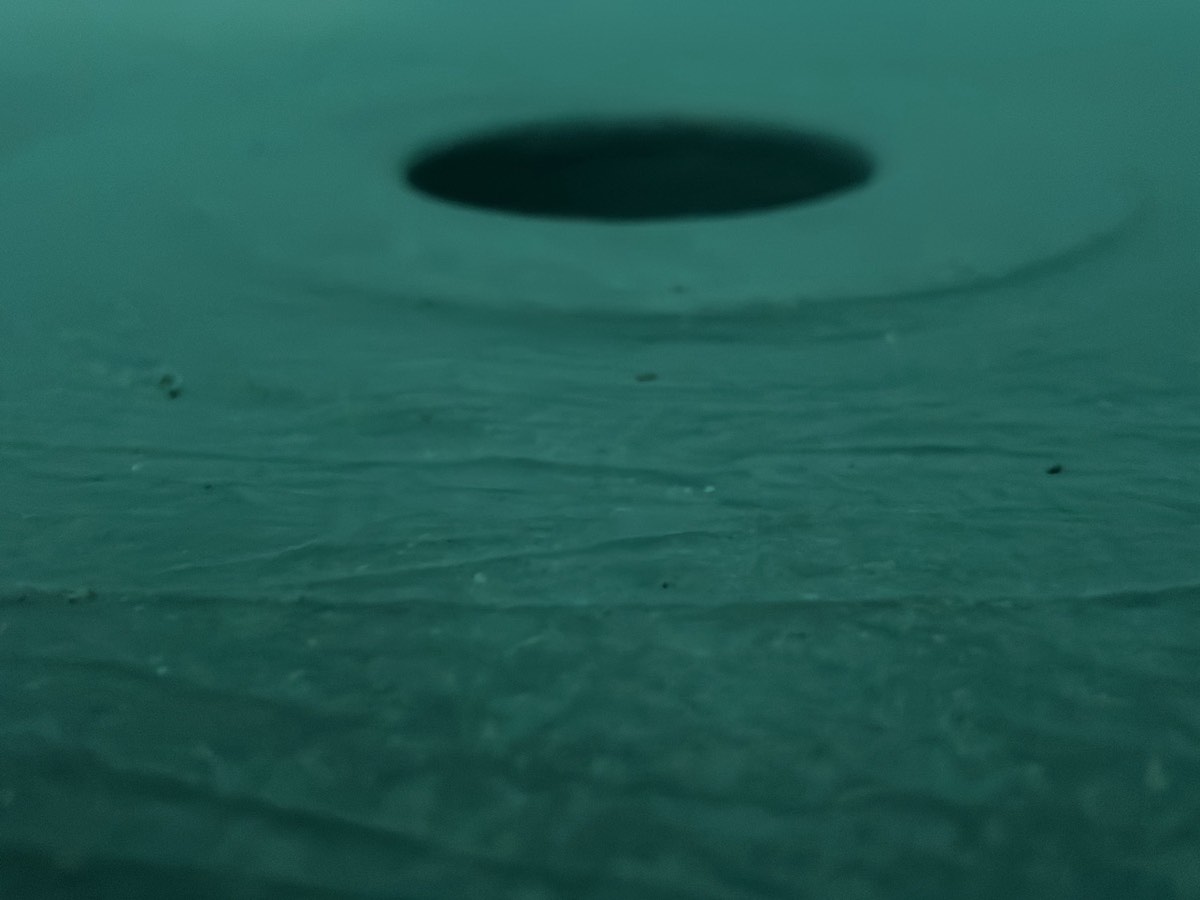
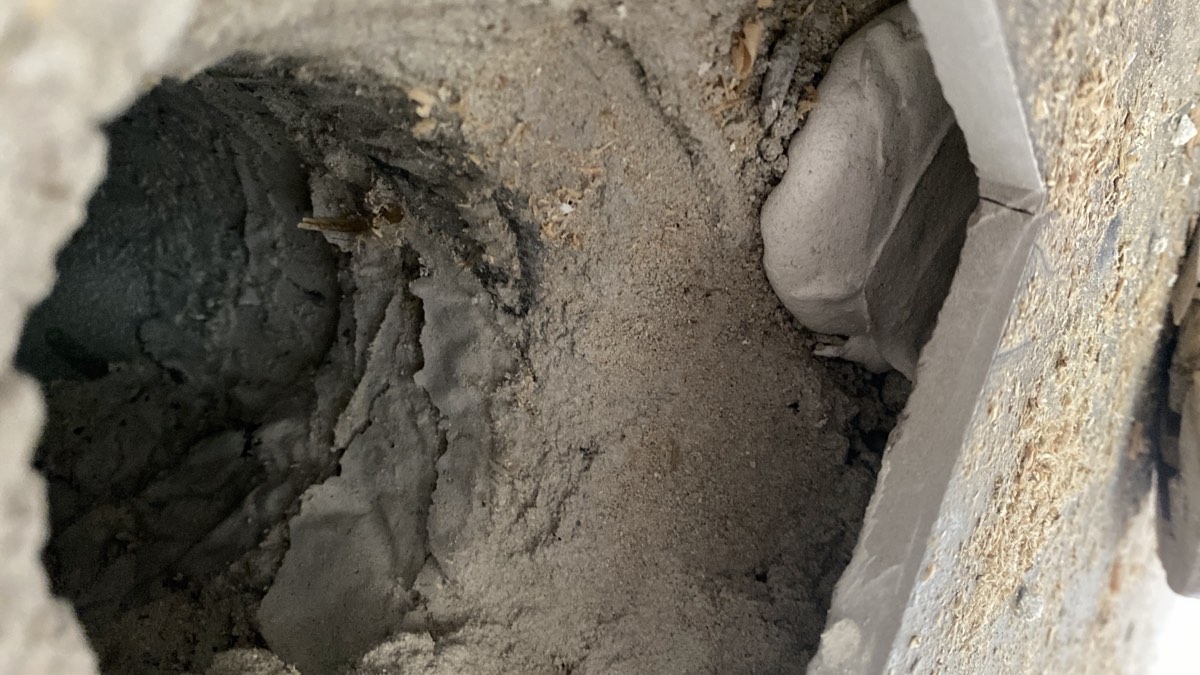
The Austral wet area findings concentrate on one fitting more than any other: the puddle flange. We have recorded flanges set at the wrong height repeatedly, which either strands the waste above the falls so water cannot reach it, or drops it below the membrane termination so water travels around it. Add hollow sounding areas where the membrane has not bonded and finish levels short at the termination, and the pattern is a wet area that will not drain the way it was drawn.
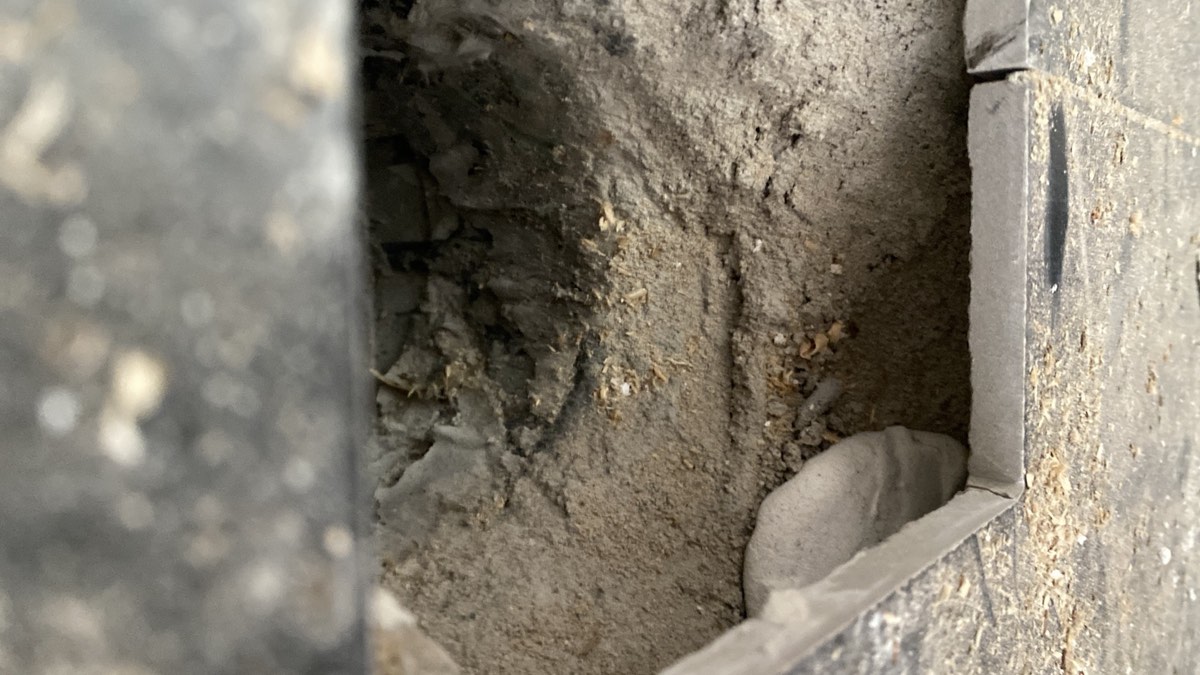
Annotated findings from Waterproofing inspections on Austral builds. Client addresses withheld.
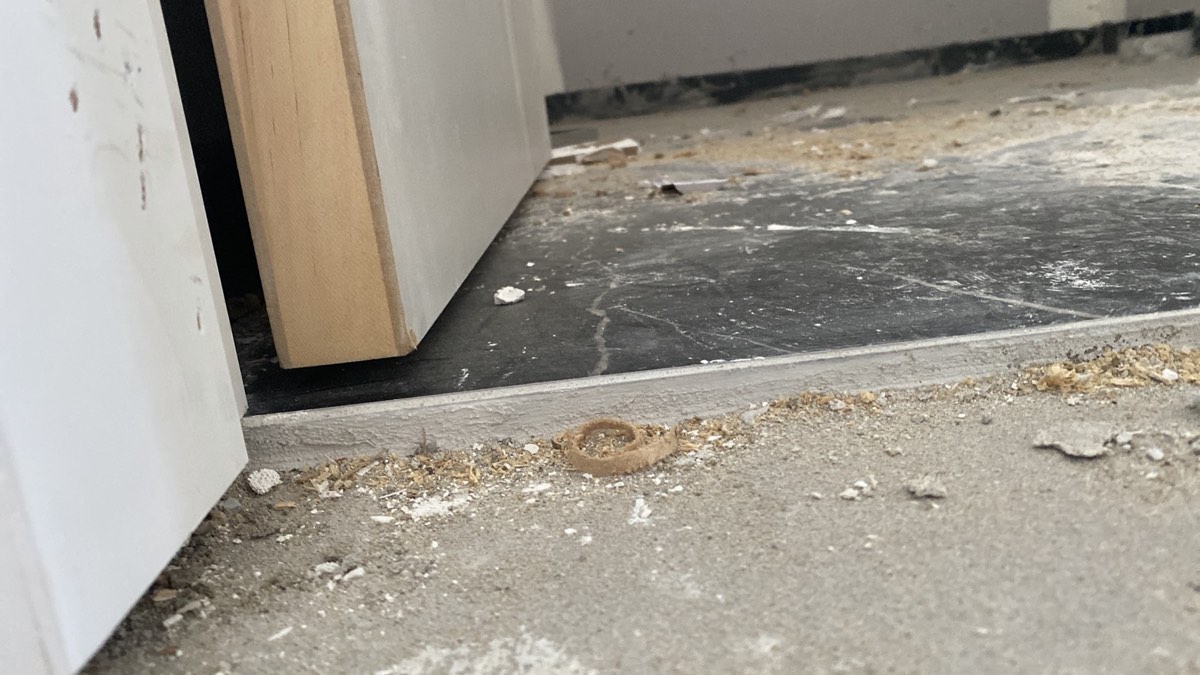
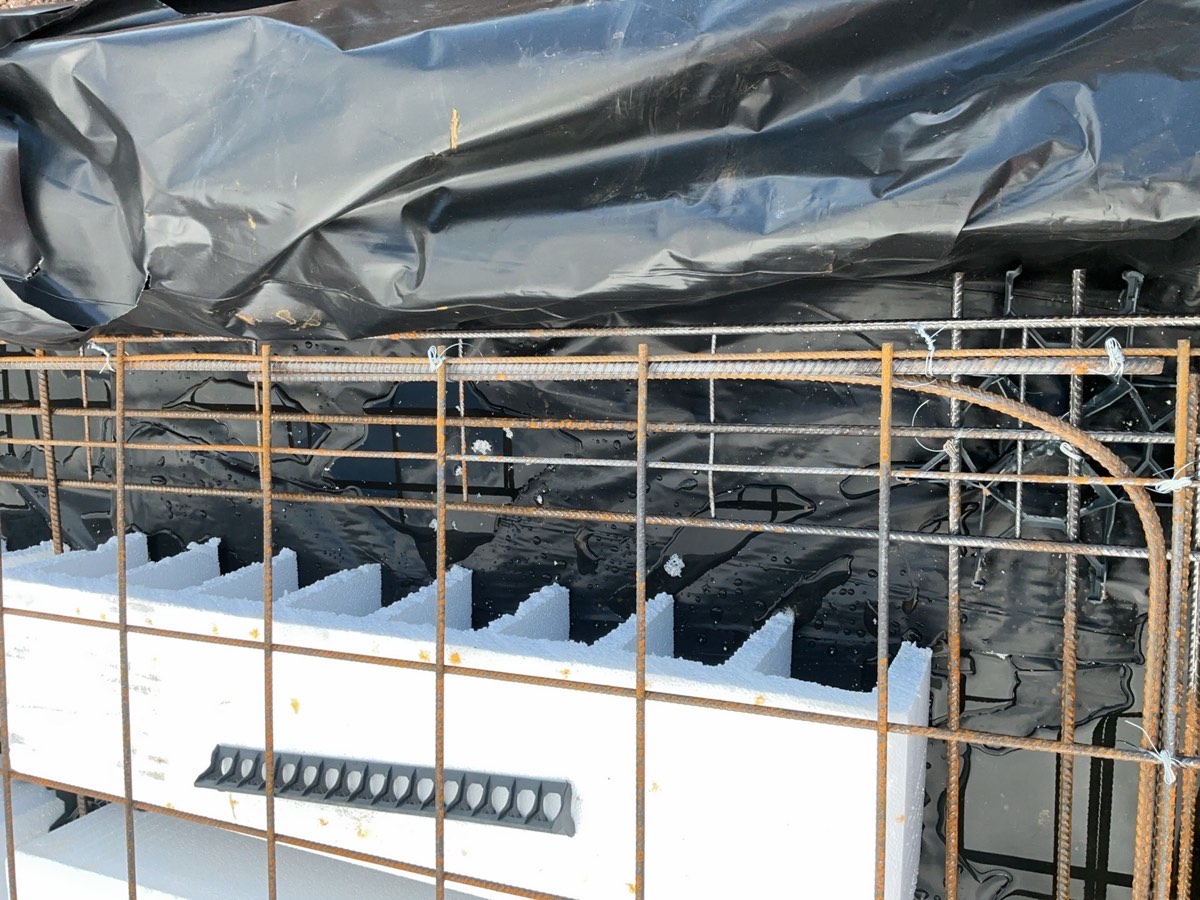 1Bored piersAfter boring and cage placement, before concrete
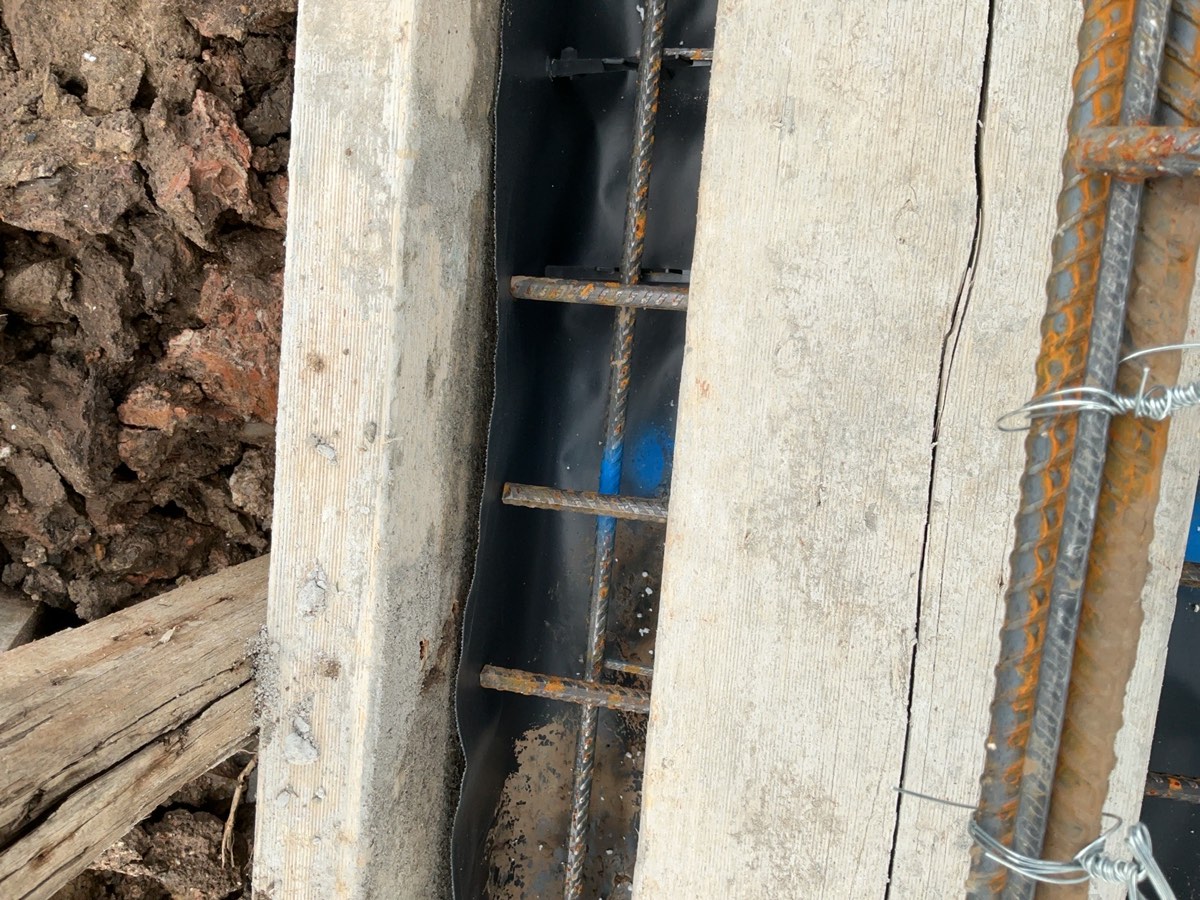 2Slab pre-pourThe day before the pour, steel and formwork complete
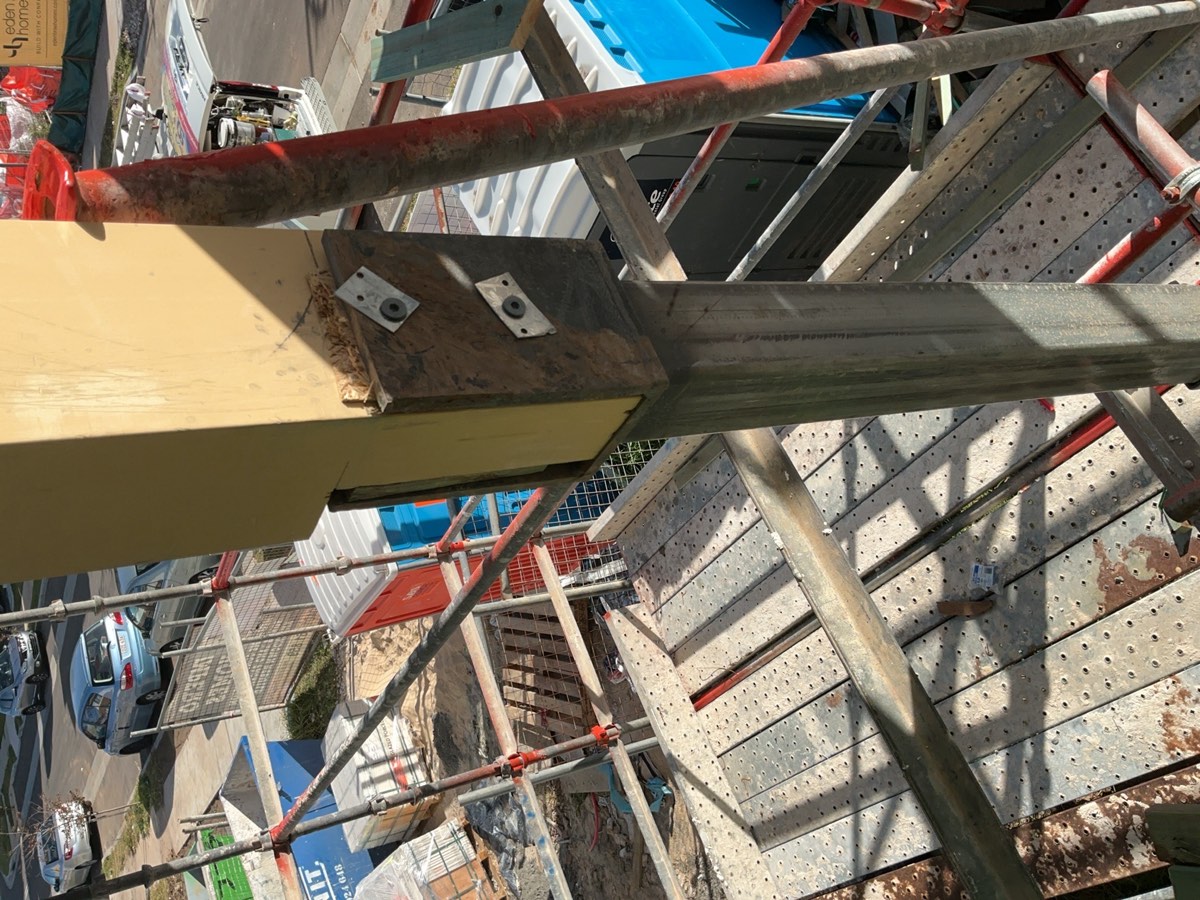 3FrameOnce frame and trusses are up and the roof is on, before lining
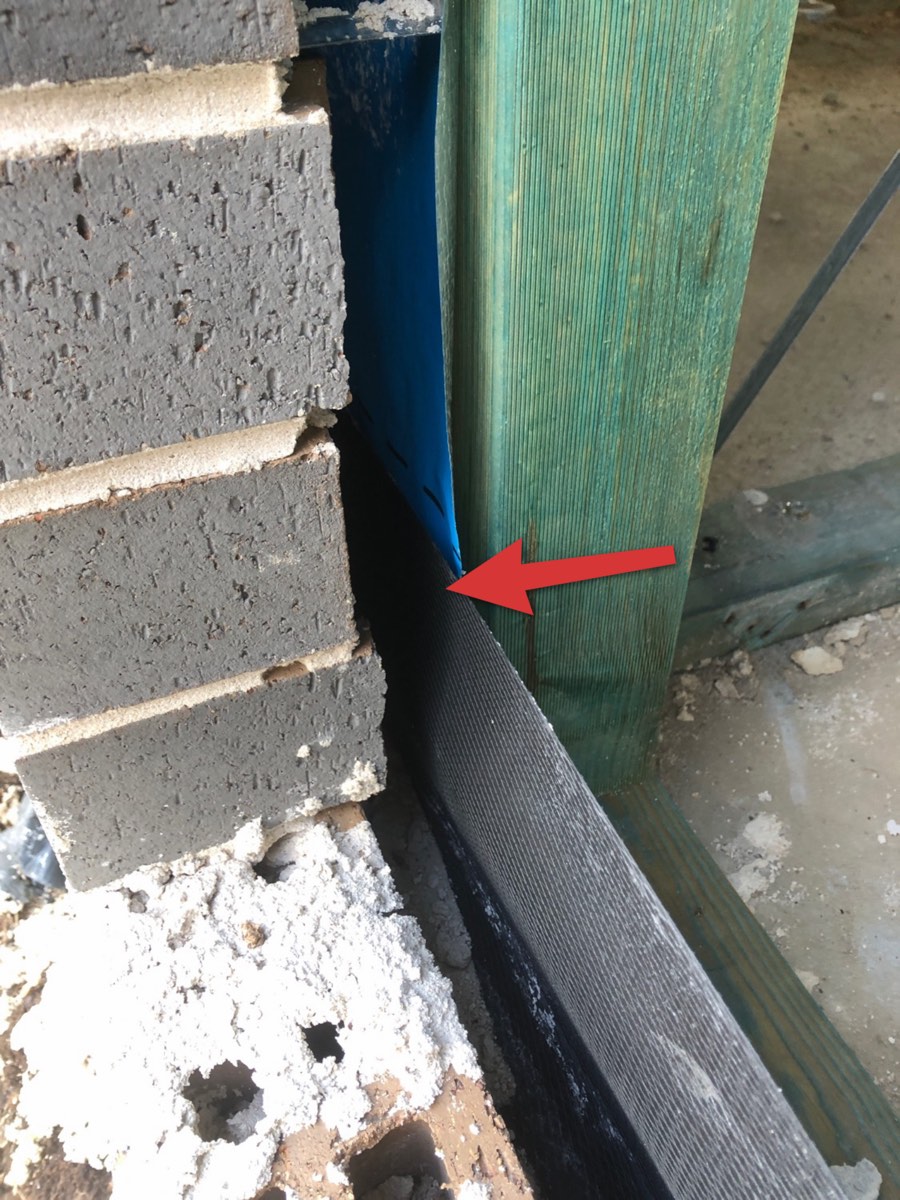 4Lock-up (pre-plaster)After roof, cladding and external doors, before plaster
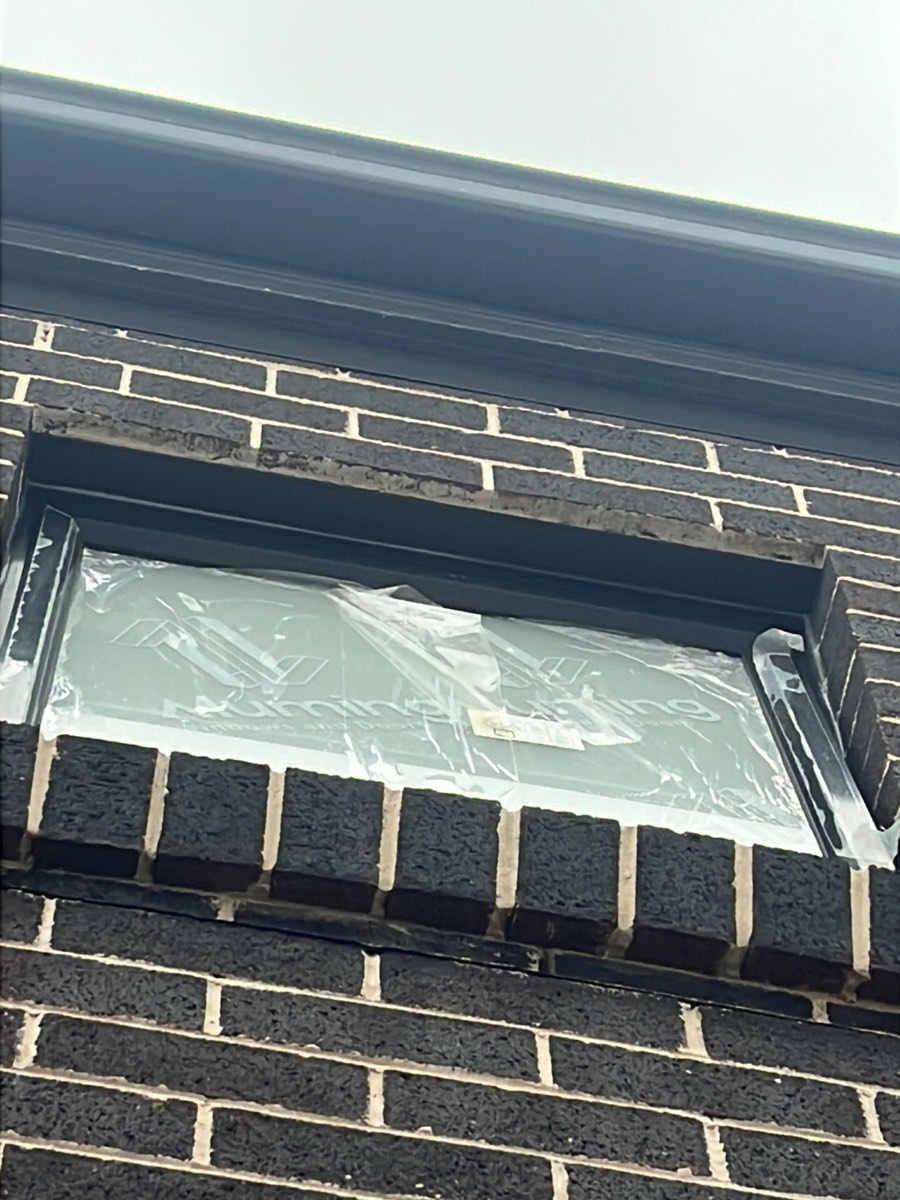 5FixingAfter mouldings, doors and joinery, before the painter
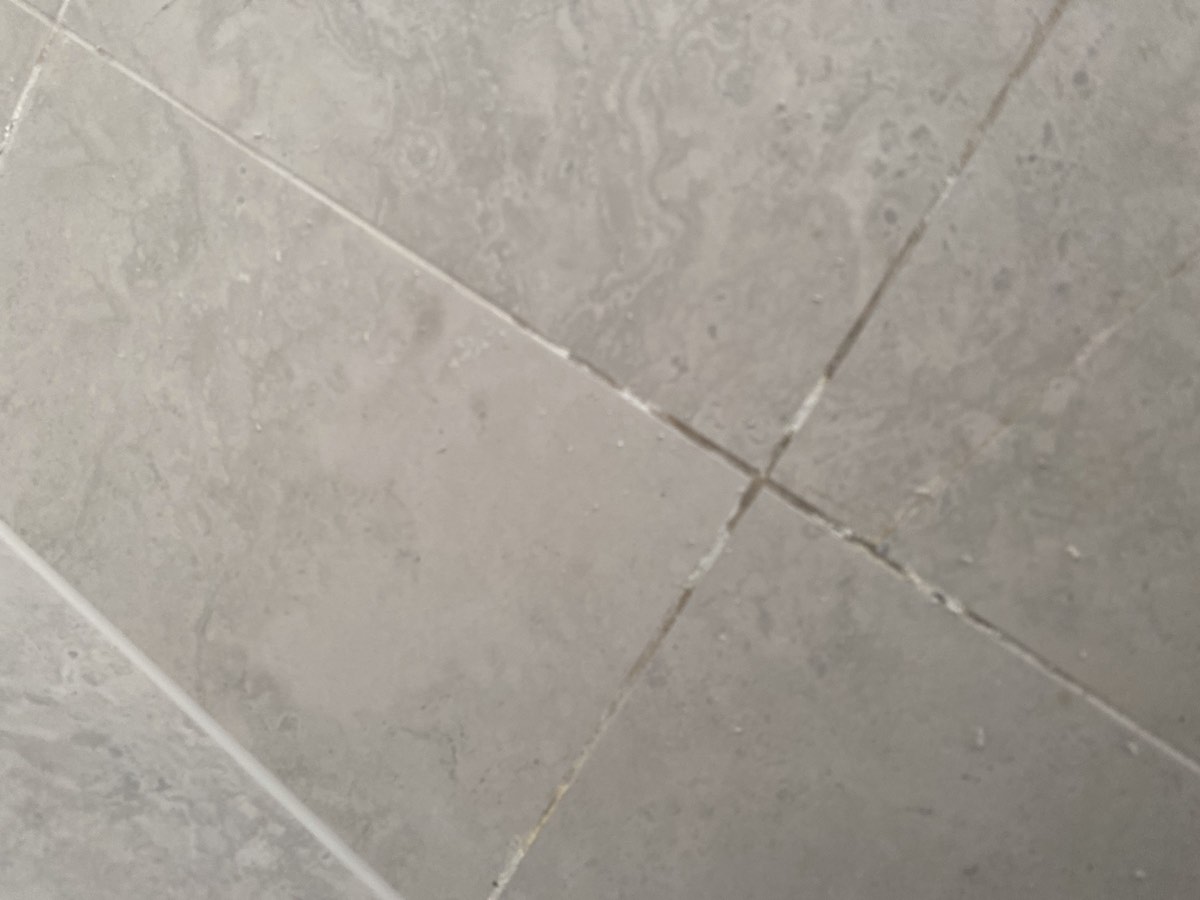 7Pre-handover (PCI)Two to three weeks before your handover date
Instant online pricing, or talk to the booking team on 1300 471 805.
The collar that connects the floor waste to the waterproofing membrane, so water reaching the membrane is taken into the drain rather than travelling sideways under the tiles.
Because it decides whether water arrives. Too high and the membrane falls away from it, leaving water sitting on the membrane. Too low and water passes around the outside of it.
That the membrane or the bed beneath it has not bonded, so there is a void. Voids move, and a membrane over a moving void is a membrane waiting to split.
AS 3740 for domestic wet area waterproofing, read with the National Construction Code and ABCB Housing Provisions, alongside your contract and the tolerances guide.
No. Flood testing breaks into the finished work and belongs to the waterproofer's own quality process. Our assessment is by eye and by hand.
We assess what remains open and record which areas were already covered and therefore not seen.