Fully licensed & accredited
-
 NSW Fair Trading
-
 Australian Society of Building Consultants
-
 Strata Community Association
-
 Building Dispute Practitioners Society
A dilapidation report records the condition of an Austral home, inside and out, before demolition, excavation or civil works start next door, so any later damage is measured against a dated record.
One of our inspectors will call you back.
If it is urgent, email [email protected]
Fully licensed & accredited
NSW Fair Trading Australian Society of Building Consultants Strata Community Association Building Dispute Practitioners Society Where a dilapidation report is a condition of a development consent under the Environmental Planning and Assessment Act 1979, it follows the wording of that condition; otherwise it is a dated, non-invasive record of the visible condition of the property.
8 checkpoints across 8 areas on a standard Austral dilapidation report. On a site under construction we need the lot open and the builder told we are coming. Where a stage is not finished we say so in the report rather than passing it.
Examples from recent inspections around Austral.
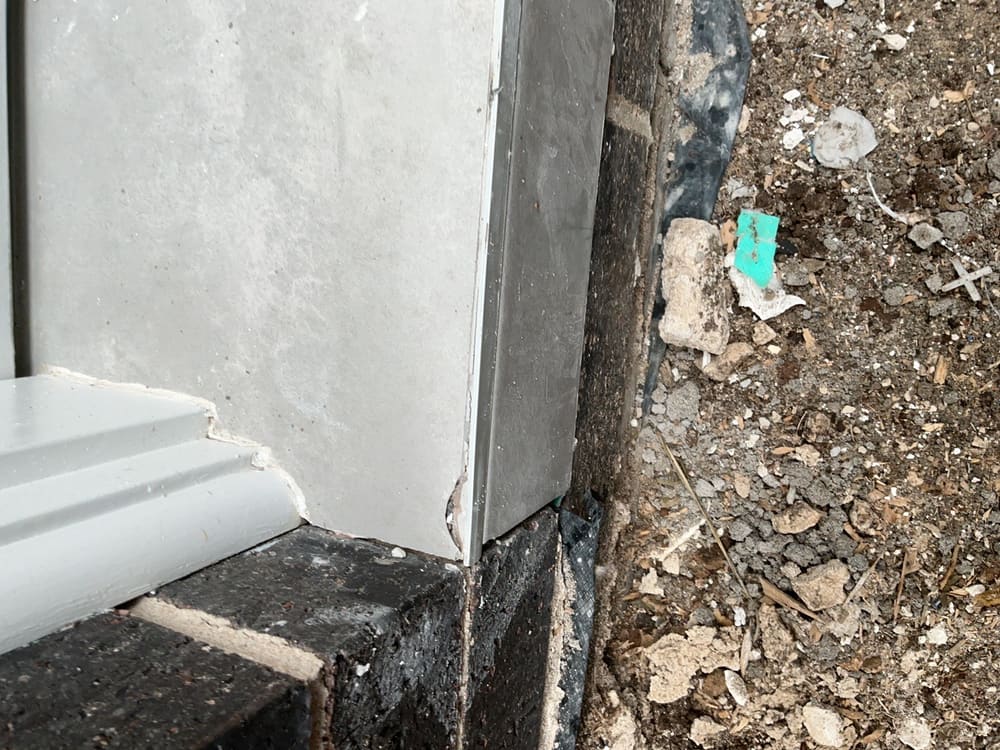
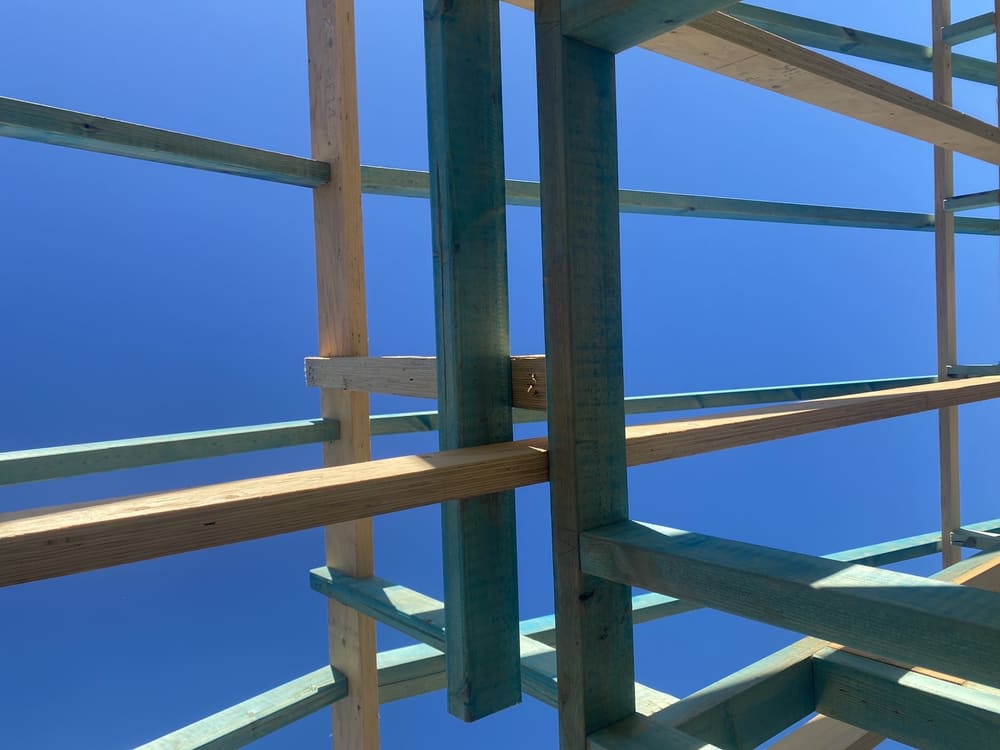
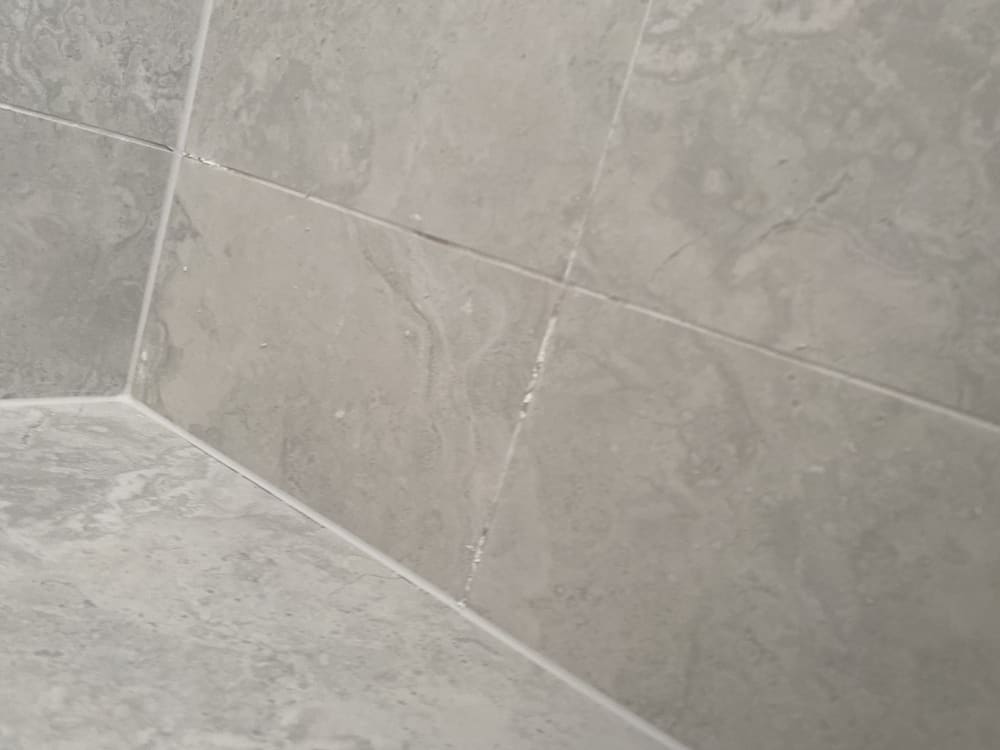
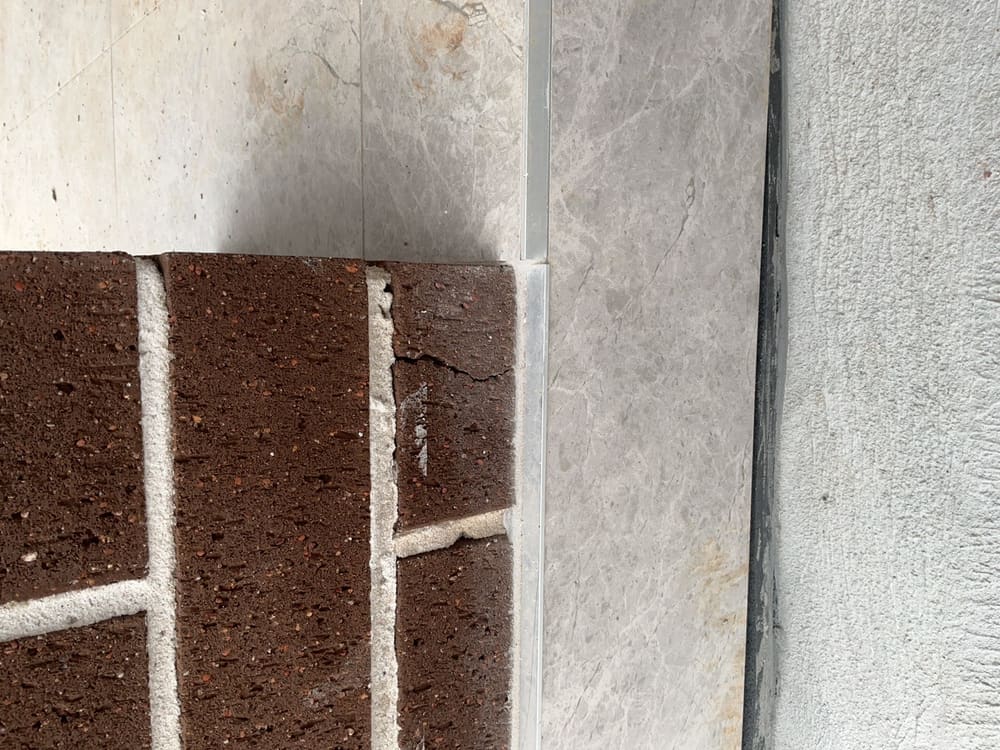
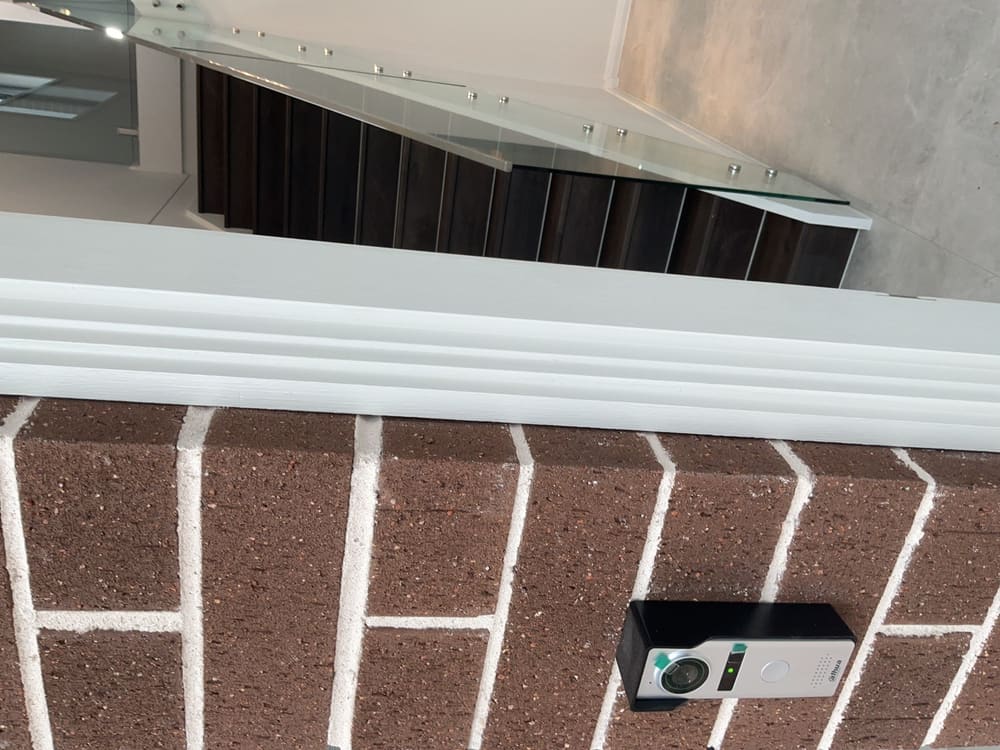
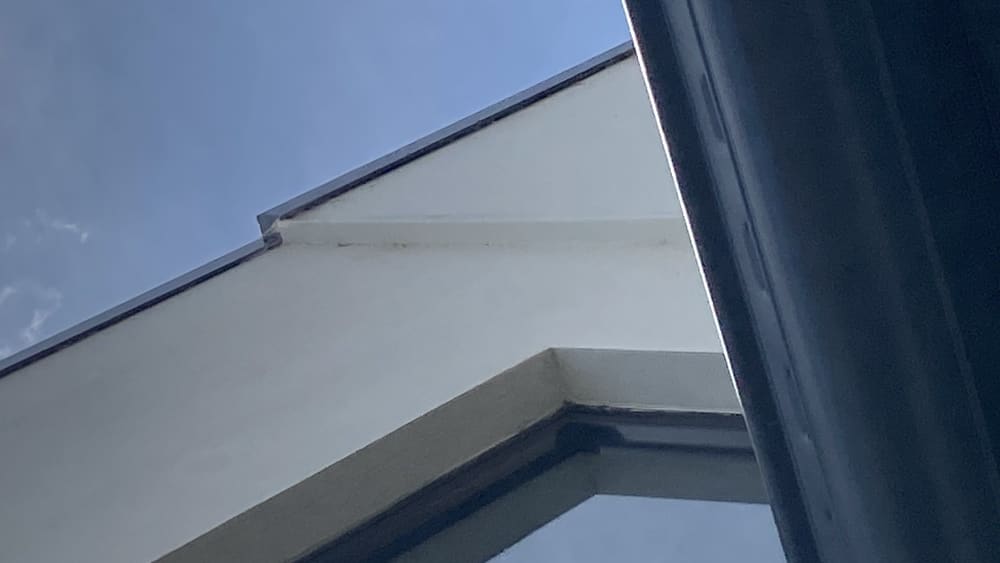
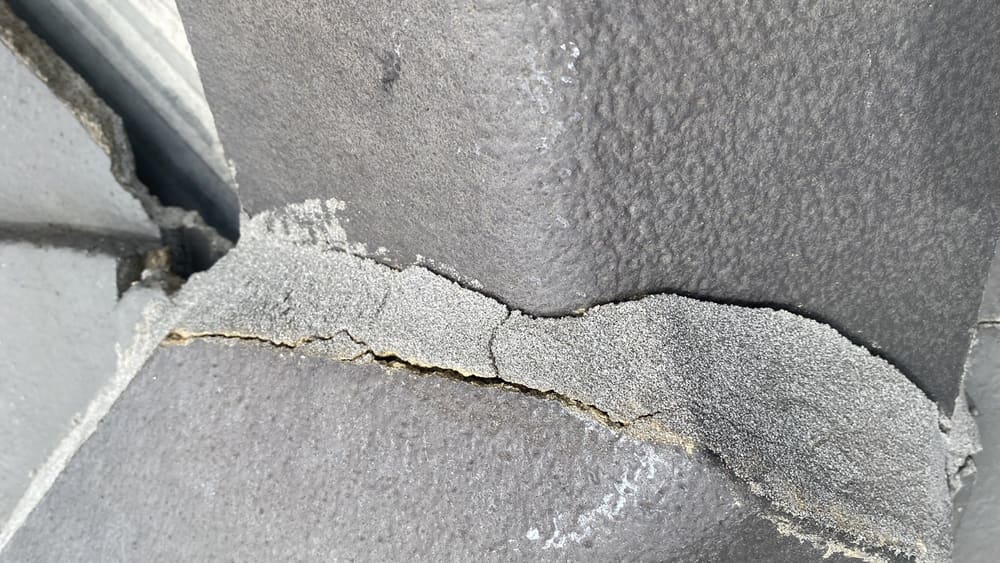
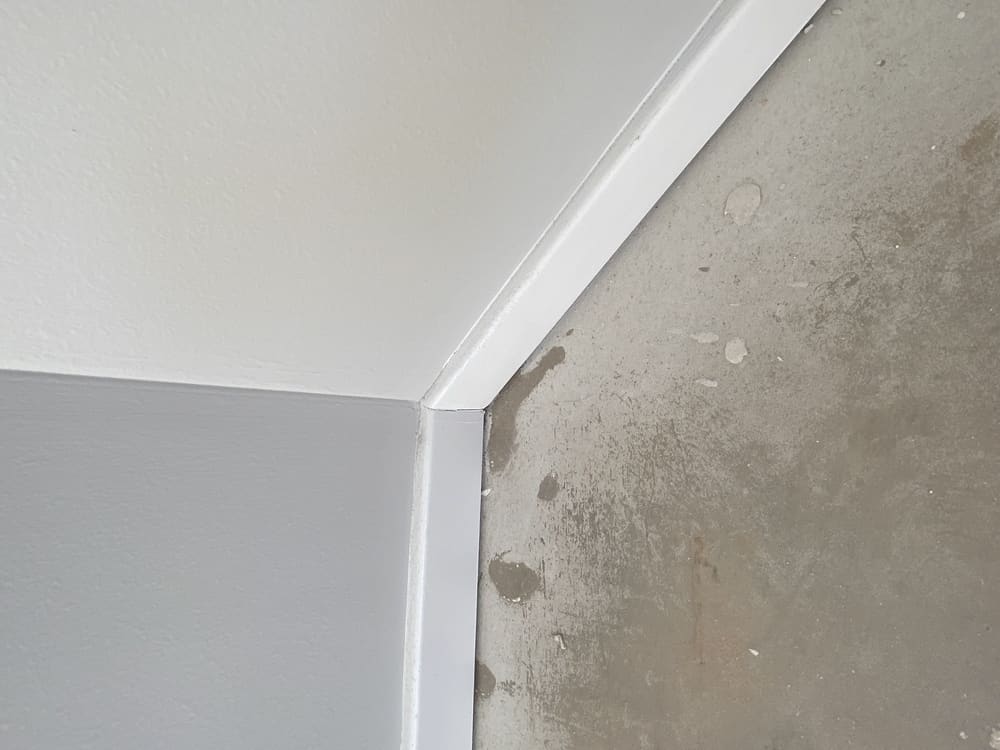
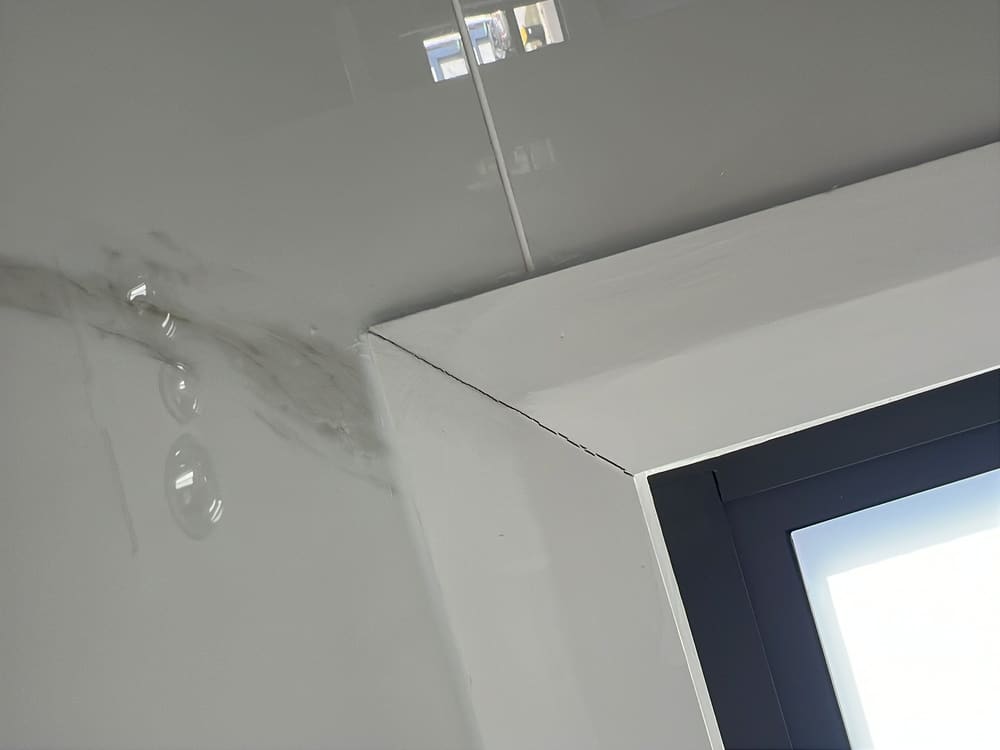
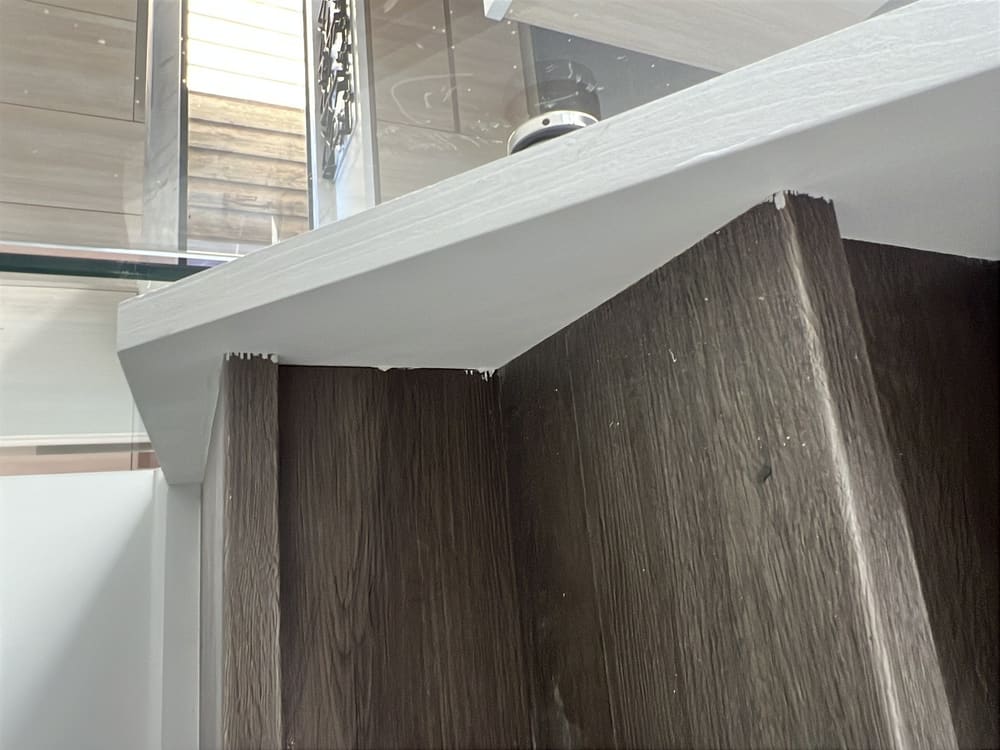

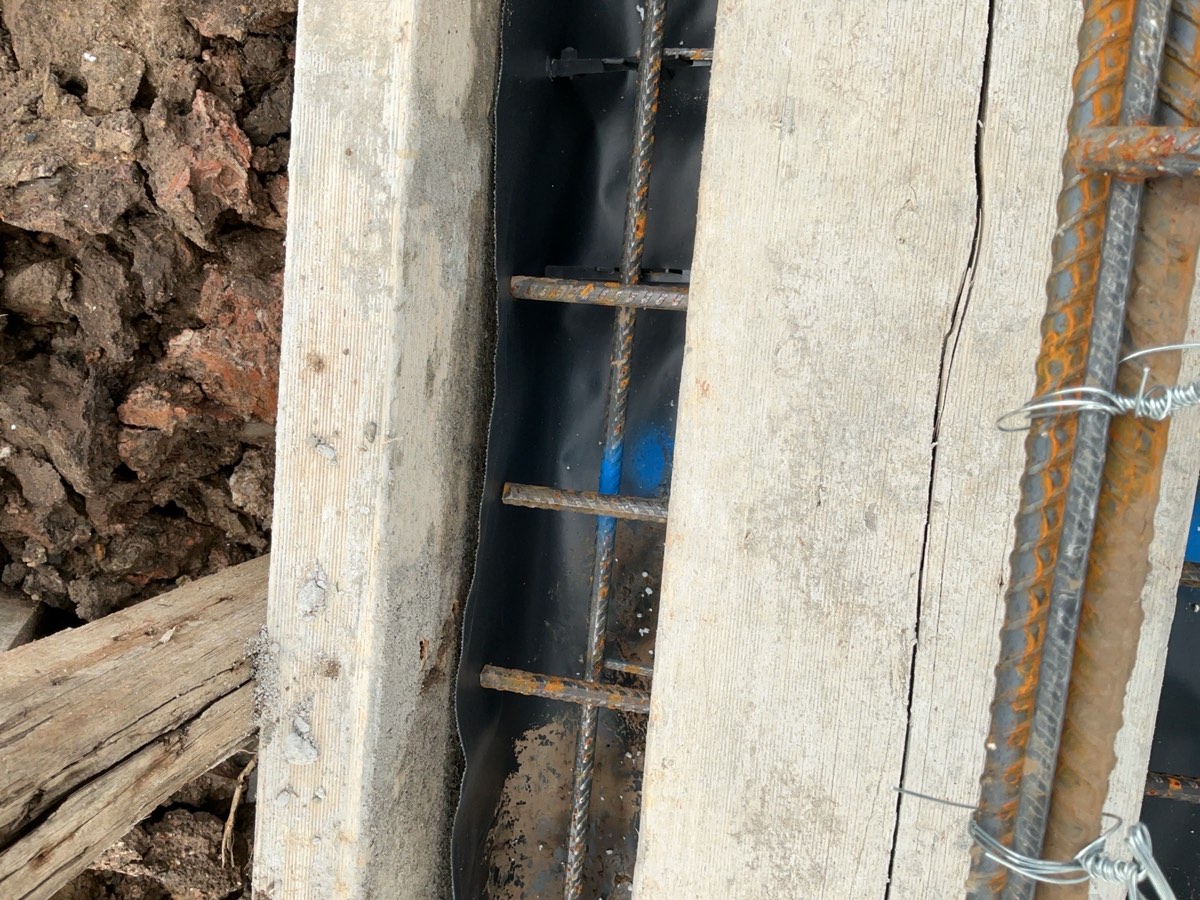 New Construction Stage Inspections Seven checks through an Austral build, each timed before the work disappears.
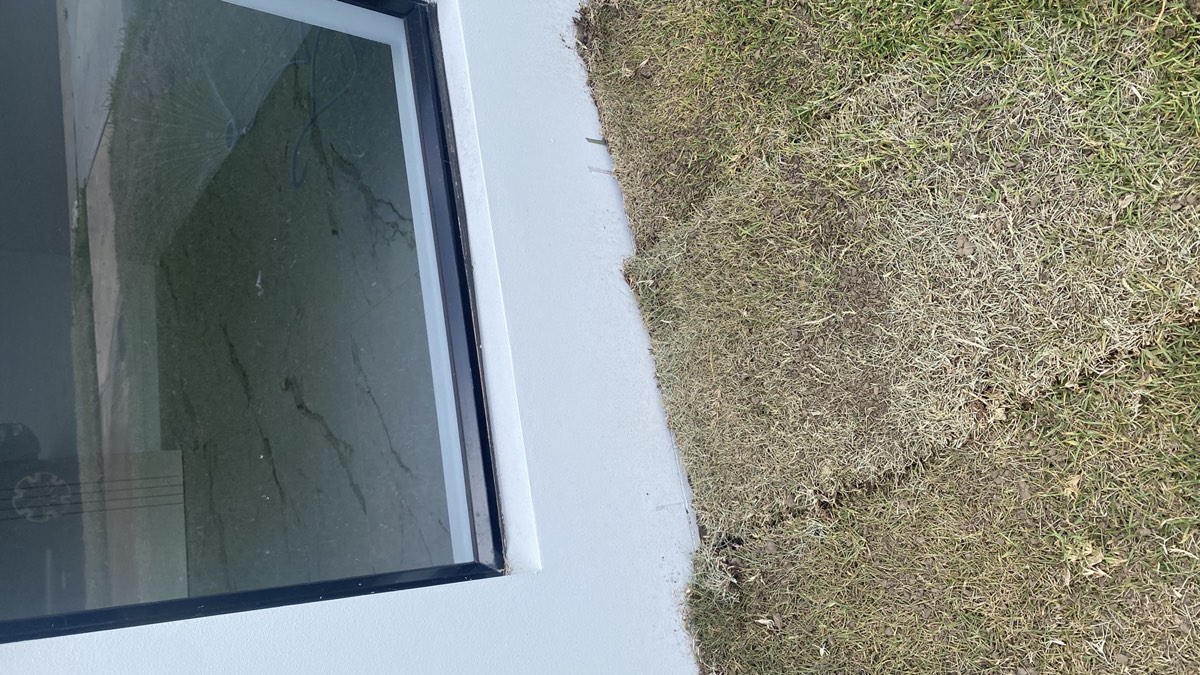 Pre-Handover (PCI) Inspections The final list while the last payment is still yours.
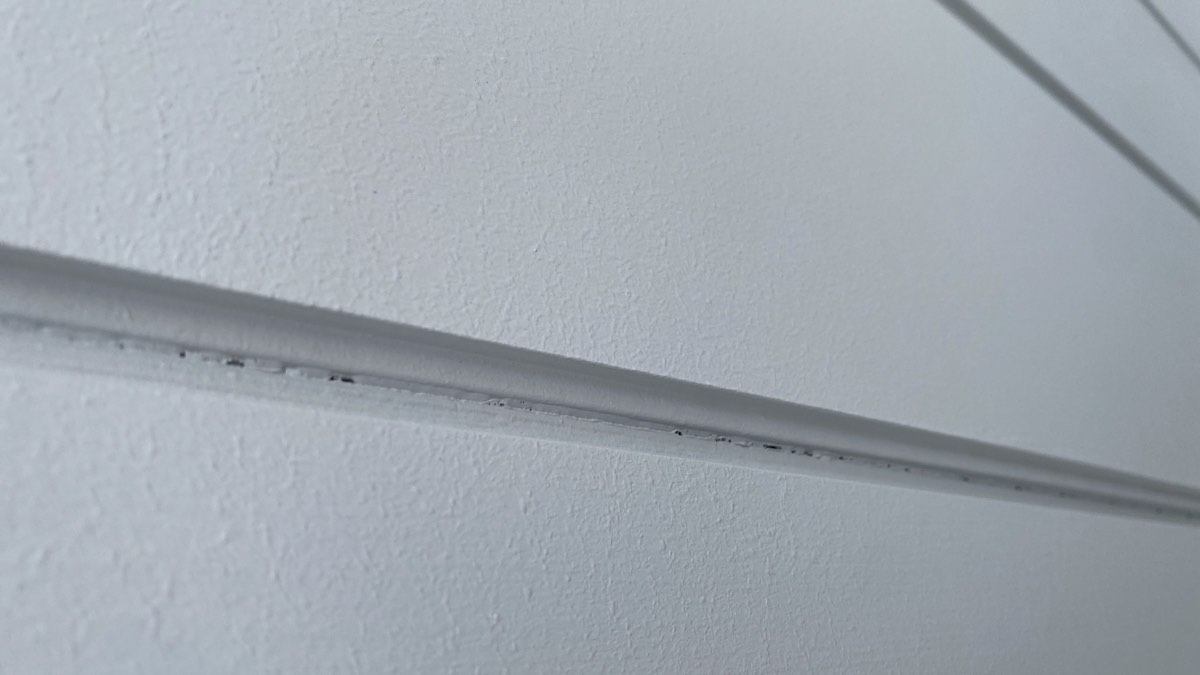 Defect Investigation Reports One failure, traced back to what was actually required.
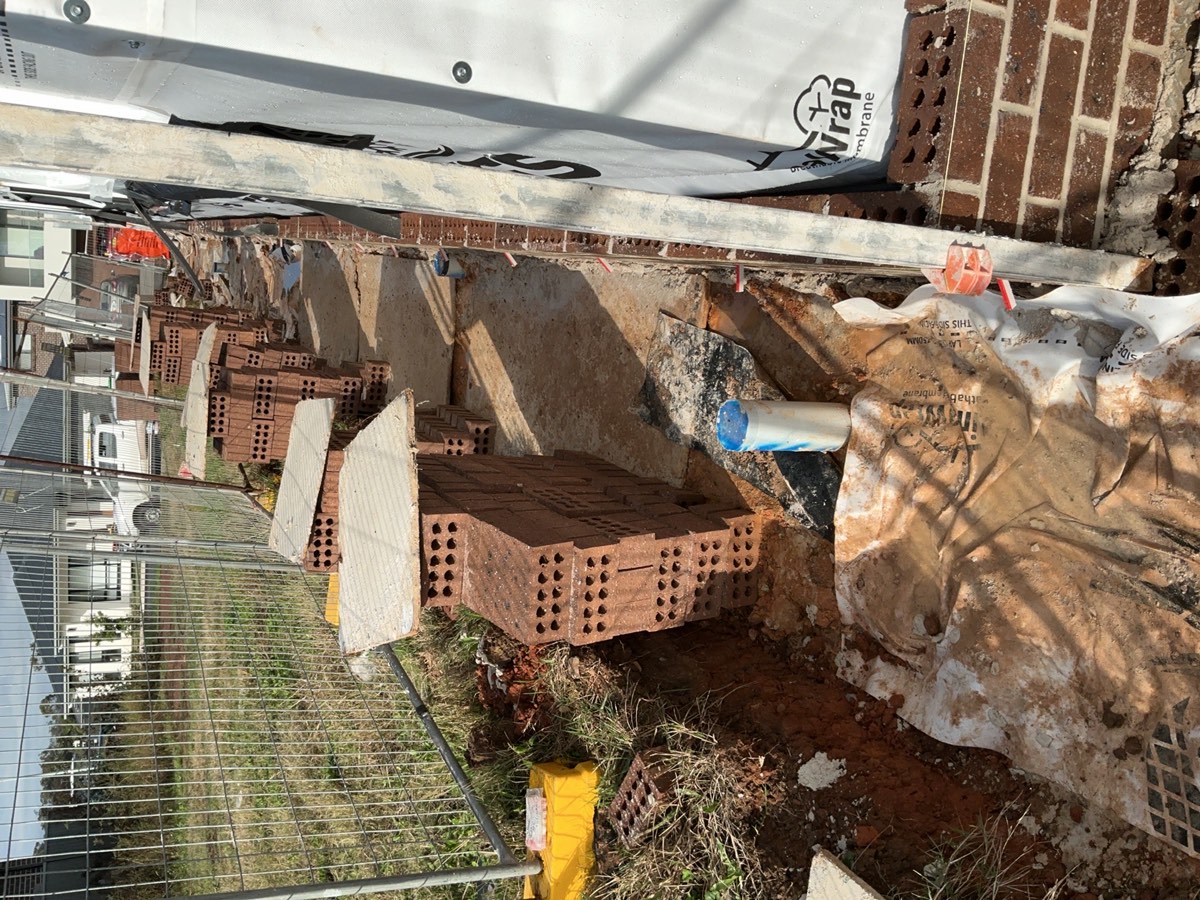 Building and Pest Inspections Building and timber pest in one attendance, reported apart.
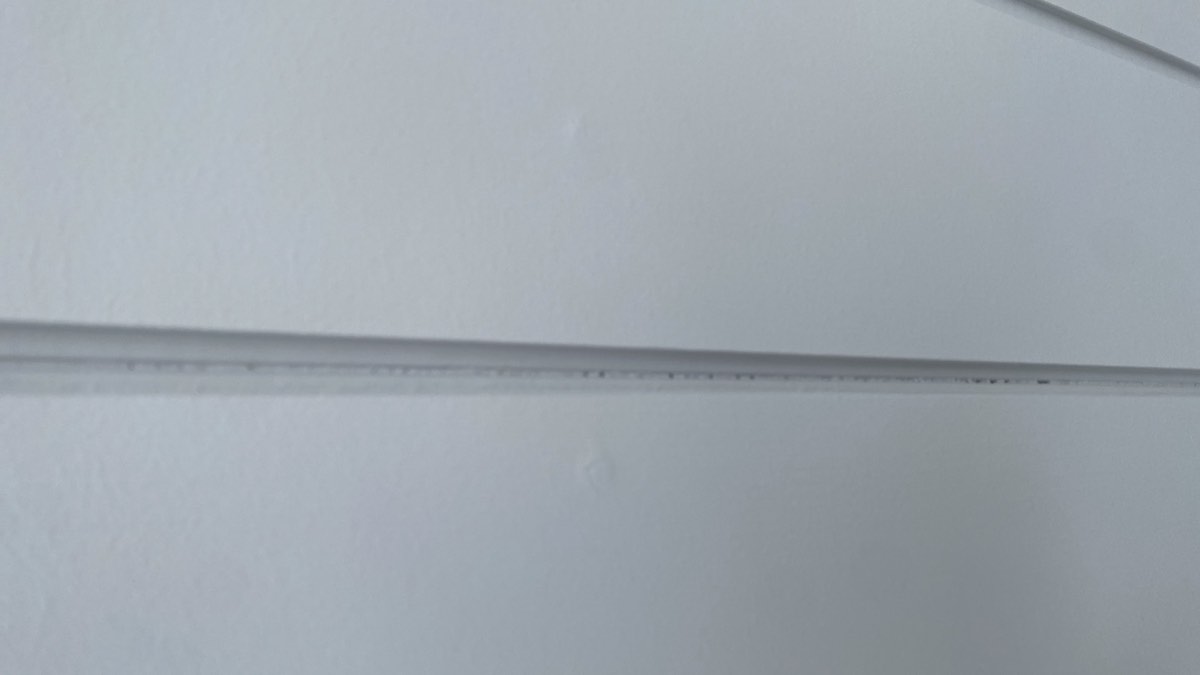 NCAT Expert Witness Reports Evidence drawn to the tribunal's procedural direction when a dispute reaches it.
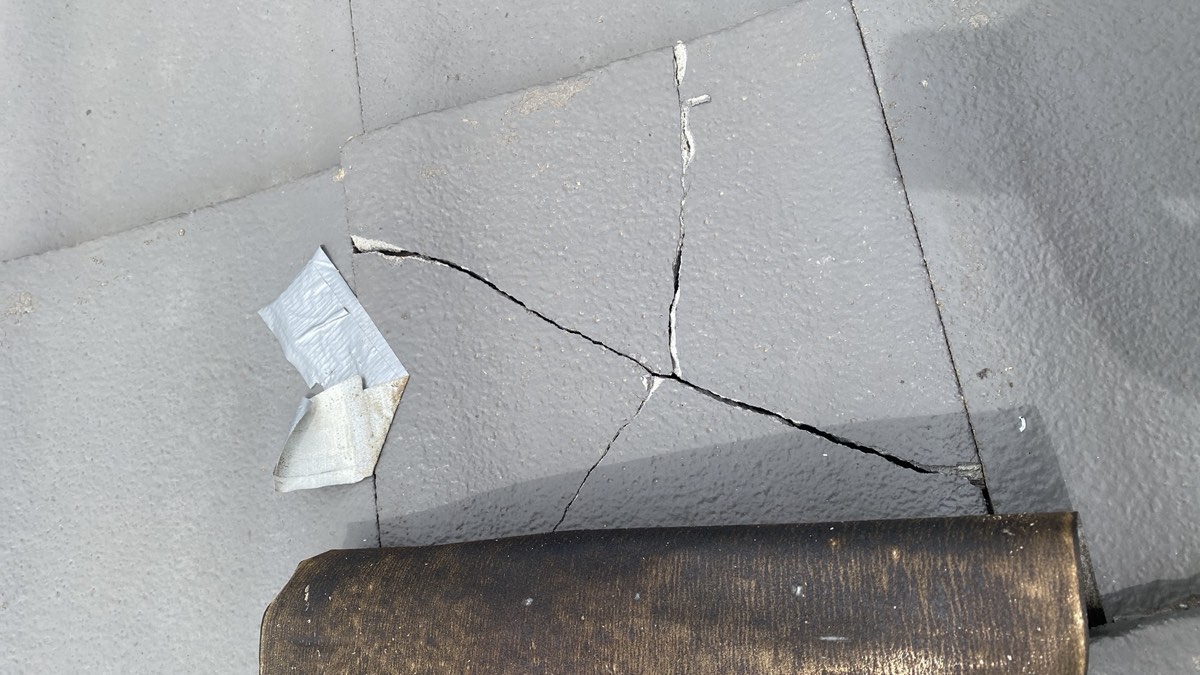 Pre-Listing Inspections See what a buyer's inspector will see, while the timing is still yours.
 Insurance Claim Assessments An impartial account of damage and its cause for a claim in assessment.
Instant online pricing for Austral, or contact the booking team.
It is a dated record of the condition of a property before nearby work starts, made with photographs and written notes room by room and around the outside. If damage is claimed later, the owner, the developer and any insurer can compare the condition after the works with the condition before them. It records what is there; it does not decide who caused it.
Liverpool writes them into development consents. Conditions for Austral subdivisions have required a report on the road, kerb and gutter, footpath, services and street trees for 20 metres either side of the site before work starts, and a separate survey of neighbouring structures within the zone of influence of any excavation before the construction certificate issues. That second survey has to come from a structural or geotechnical engineer agreed by the applicant and the neighbour, so read the wording of your own condition before you book.
Where the consent requires a survey of your house, the developer pays for it, and Liverpool's condition notes that either side may use it in a dispute over damage. Ask for a copy and check that it covers every room, the fences and the paving. If no survey is required, or you want a record made for you rather than for the developer, book your own before the earthworks start.
Liverpool consent conditions for Austral subdivisions have required written notice to adjoining owners seven days before any excavation below the base of their footings. The developer must also protect and support the neighbouring building from damage and, where necessary, underpin it, at the developer's cost. A report made inside that notice period gives you a record to hold the work against.
They do, because council treats its own assets the same way. Under Liverpool's road opening form, the applicant is held responsible for all damage near their work unless it was reported before the work began, and a dilapidation report can be lodged for that purpose. If you are building, a record of the footpath, kerb and nature strip in front of your lot before the trucks arrive is worth adding.
On some pipeline projects Sydney Water arranges a property condition report for homes along the route, completed by a qualified surveyor, with a free copy for the resident. If you are offered one, accept it and read it. If your home sits outside the surveyed area, or you want a record of something the survey left out, an independent report fills the gap.
Every room inside, the external walls and cladding, the roof where it can be seen safely, slabs, paths and driveways, fences, retaining walls and any pool. Each existing crack is measured and photographed with its location, and the whole report is dated. Sheds, granny flats and other outbuildings can be added.
It is a visual, non-invasive record, so nothing is opened, lifted or tested. It does not give a structural engineer's opinion, decide the cause of existing damage, check underground services or drainage, or value the property. Any area that cannot be reached safely is listed as not recorded.
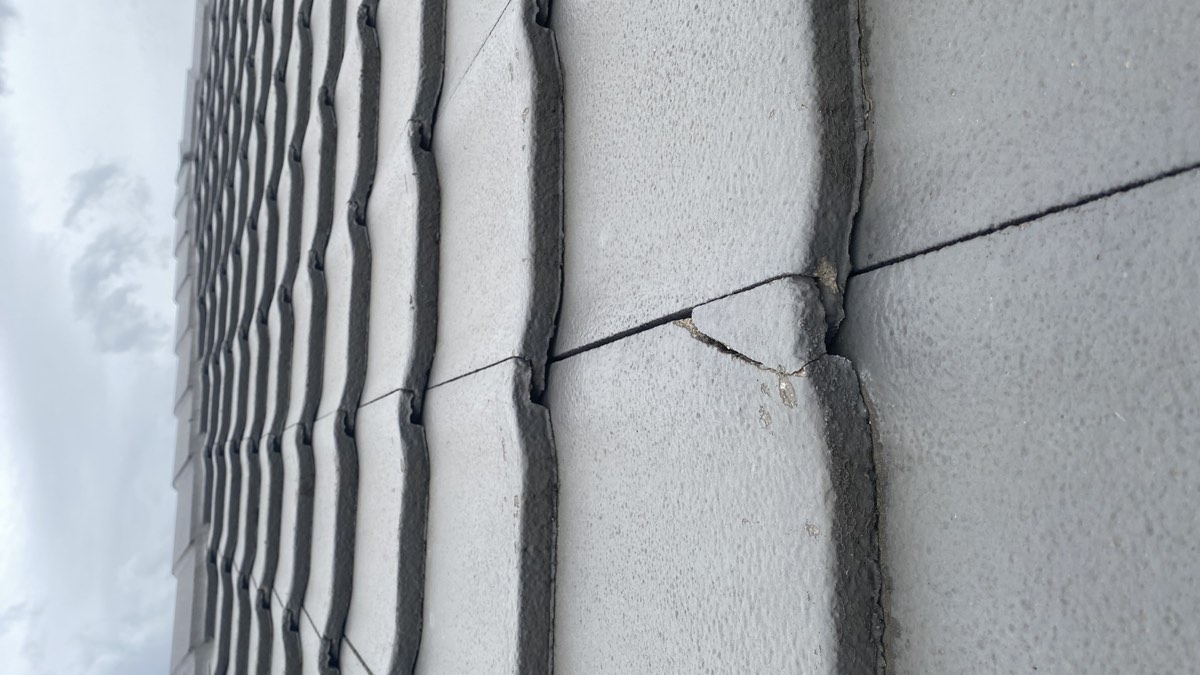
Each crack is given a location, a measured width and an approximate length, and is photographed with a gauge beside it so the width can be read from the image. Whole walls and rooms are photographed too, so damage that appears somewhere else later can be shown to be new. That detail is what lets a second inspection show change rather than opinion.
Book a second inspection and the same areas are recorded again for a direct comparison with the first report. Send the comparison to the developer or builder in writing and keep a copy of every exchange. If it becomes a claim, dated before and after records help show what changed, though working out the cause may need more evidence.
Book before any demolition, excavation or heavy machinery arrives next door, ideally as soon as a notice arrives or a site fence goes up. The price depends on the size of the house and what else needs recording, and the quote form shows it straight away. We also cover Leppington, Bringelly, Rossmore, Denham Court, Middleton Grange and West Hoxton.